
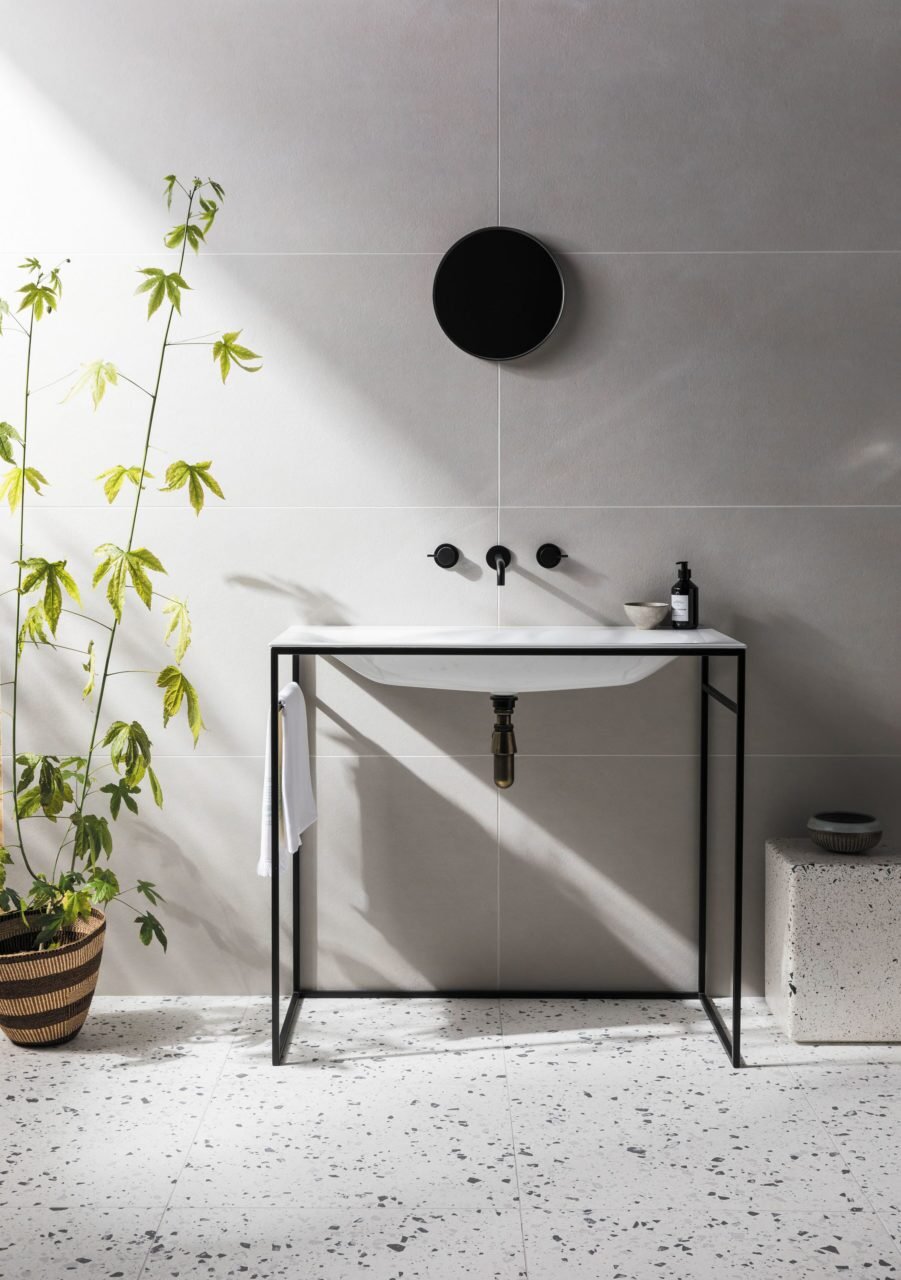
28 Japanese Bathroom Ideas That Make Relaxation a Part of Your Daily Life
Disclosure : This post may contain affiliate links or paid partnerships. I may earn compensation if you click a link or make a purchase, at no additional cost to you. See my disclosure for more info.
You get home and you have nothing left.
Your body is tight. Your thoughts are scattered. Everything around you is demanding something.
You step into your bathroom and the room offers you… more of the same.
No respite. No warmth. Just the same cluttered, uninspired space it’s been for years.
Sound familiar?
Here’s what most people overlook. Your bathroom doesn’t have to be passive. It can be the one room in your home that actively gives something back to you every single day.
Not as a luxury. As a standard.
That’s the Japanese approach. And it has nothing to do with budget, square footage, or owning a designer property.
It has everything to do with intention.
Let’s go through twenty-eight ways to apply it.
Why the Japanese Approach to Bathing Is Different
The starting point is a philosophical one.
In Japan, bathing is not considered a chore you complete before bed. It is a daily ritual of renewal.
The bathroom is designed accordingly — materials, proportions, lighting, and sensory elements all chosen to deepen that experience rather than just facilitate it.
The result is a space that restores rather than merely cleans.
And the beauty is that these principles are fully transferable to any home, regardless of size or budget.
Here’s how to apply them.
Space and Layout
1. Establish a clear boundary between wet and dry areas
In Japanese homes, the bathing and dressing areas are always kept separate. Water belongs in one zone and dry space in another.
A glass partition or a slight change in floor level accomplishes this even in smaller bathrooms. The effect: a drier, cleaner, more organized environment.
2. Center the soaking tub as the room’s focal statement
Japanese bathroom design refuses to relegate the bathtub to a wall corner. The tub is the room’s defining feature.
It is the reason the room exists.
Position your soaking tub where it naturally captures attention and commands the space.
3. Dedicate a separate area for pre-soak washing
Western bathrooms blend washing and soaking in a single space. Japanese design keeps them apart.
A compact shower station with a handheld showerhead and a small wooden stool lets you clean fully before entering the tub.
The water in the tub stays clean. The tradition holds.
4. Partition the toilet away from the bath
Minimal intervention. Maximum impact. A pocket door or low partition is enough.
Removing the toilet from view in the bathing area fundamentally changes its character — from functional room to personal retreat.
Materials That Speak Quietly
5. Use hinoki wood to engage multiple senses at once
Japanese cypress — hinoki — is the iconic material of Japanese bathing culture. Water-resistant and naturally antimicrobial.
But its real value is in the scent. Steam activates a warm, citrusy forest aroma that exists nowhere else in the natural world.
A hinoki mat, a bathing stool, or a tray beside the tub brings this into your home immediately.
6. Ground the space through natural stone underfoot
Polished slate, smooth river pebbles, or stacked stone tiles create a sensory link to the natural world beneath your feet.
Pebbled shower flooring is not just aesthetically appealing. It functions as a gentle daily massage for your feet — something far more valuable than it sounds.
7. Use matte finishes to soften the room’s energy
High-gloss tiles and fixtures create a hard, reflective environment that reads as commercial rather than restorative.
Matte surfaces — tiles, fixtures, accessories — absorb light and create a room that feels quieter, warmer, and more intimate. Exactly the Japanese aesthetic.
8. Introduce texture through washi-style wall treatments
You cannot use paper washi in a wet space. But wall panels that capture its soft, textured character bring warmth to the walls without overwhelming the space.
Subtlety is the design language here.
Water and Its Role in the Ritual
9. Make the deep soaking ofuro tub non-negotiable
No Japanese bathroom is complete without it.
The ofuro sits you upright with water at shoulder level. Deep, compact, and completely enveloping. It is a fundamentally different experience from lying in a shallow Western tub.
No single upgrade changes the experience of bathing more profoundly. A deep soaking tub is the cornerstone of this approach.
10. Mount a rain showerhead directly overhead
A ceiling-mounted rain showerhead delivers a wide, even flow of water from above.
No directional jet. No adjustment. Just warm water falling the way rain does.
It turns rinsing into a moment of meditative presence.
11. Install a flexible handheld wand on a sliding mount
A sliding rail gives you full height control whether standing or sitting at a bathing stool.
Practical and principled. It supports the core Japanese habit of attentive, deliberate cleansing.
12. Bring in a water feature for sound
Flowing water is a cornerstone of Japanese garden and interior culture. The sound calms the nervous system in ways that visual elements cannot.
A small tabletop fountain near the bath adds the one layer of relaxation that most bathrooms are completely missing.
Light That Eases Rather Than Alerts
13. Make your lighting warm and adjustable
Overhead fluorescents signal alertness, not rest. They have no place in a restorative bathroom.
Warm LED strips hidden behind mirrors or below floating vanities change the room’s energy entirely. A dimmer switch gives you full control over the atmosphere.
14. Use a backlit mirror to create ambient glow
A backlit mirror wraps the room in a soft, even illumination that traditional vanity lighting can never replicate.
The halo of diffused light it produces makes everything around it feel calmer and more deliberate.
15. Layer in warm light from lanterns or candles
Paper lantern-inspired fixtures or candle holders placed along the tub introduce flicker and warmth that signal restoration to your nervous system.
There is a reason every serious wellness environment relies on it. It works.
Simplicity as an Active Choice
16. Remove visual clutter systematically
Every object sitting out is a small disruption to the atmosphere you’re trying to create.
Floating vanities with quiet-close drawers, recessed shower niches, and built-in cabinets keep everything accessible but completely out of sight.
17. Constrain your color palette to the essentials
Warm white. Soft grey. Pale natural stone. Raw timber.
Pick two tones. Three at most. Everything else is noise.
Color restraint is not deprivation. It’s the mechanism that produces visual calm — the feeling that a space has room to breathe.
18. Feature one intentional object and nothing else
One handmade ceramic vessel. One beautiful soap dish. One single stem.
The Japanese concept of “ma” holds that negative space is not emptiness — it is the presence of possibility and breath around what exists.
19. Commit to matched towels in a single tone
Mismatched or mixed towels communicate chaos even in an otherwise clean room.
One color, one quality, folded and stored on an open wooden shelf. Small discipline, large visual reward.
Living Elements That Breathe Life Into the Space
20. Keep a moisture-loving plant near the tub
Ferns, bamboo, pothos, or peace lily — all of these love bathroom humidity and require minimal maintenance.
One plant, well placed, bridges the gap between interior and nature effortlessly. This is “shizen” — the Japanese principle of beauty that doesn’t announce itself.
21. Lay a bamboo caddy across the bath
A bamboo bath tray resting across the tub transforms it from a fixture to a destination.
Tea. A book. A candle. These are not accessories. They are an invitation to be fully present for once.
22. Offer your eyes somewhere calming to rest
A window is best — frosted glass for privacy, natural light for everything else.
Without a window, a framed landscape image — forest, water, mountain — gives your gaze somewhere peaceful to land while you bathe.
Multi-Sensory Finishing Touches
23. Mount a heated towel warmer
Emerging from a deep soak into a warm towel is one of the most reliably pleasurable moments a bathroom can offer.
A heated towel rack is affordable, easy to install, and delivers that experience every single time.
24. Hang botanical bundles in the shower
Fresh eucalyptus tied near the showerhead releases essential oils in the steam. The bathroom fills with a clean, clarifying fragrance.
Natural, effective, and completely free of synthetic ingredients.
25. Solve the cold floor problem
Cold tiles underfoot the moment you step out of a warm bath are a jarring, mood-breaking intrusion.
Underfloor radiant heating is optimal. A quality teak bath mat placed thoughtfully is the accessible alternative.
26. Design the acoustic environment with intention
A waterproof Bluetooth speaker set to rainfall, ambient music, or white noise actively transforms the feel of the room.
Visual elements get all the attention. Sound is the invisible layer of design that most bathrooms never address.
27. Cultivate one consistent, subtle fragrance
Not scent products. Not fragrances that compete with themselves.
A hinoki chip in a ceramic vessel. One incense stick before the bath. A drop of cedarwood essential oil dissolved in warm water.
Japan’s “kodo” tradition sees fragrance not as decoration but as a tool for arriving in the present moment.
28. Hang a robe or yukata beside the door
Stepping out of warm water directly into a cool room is an interruption the ritual doesn’t need.
A lightweight cotton or linen robe on a simple wall hook extends the warmth of the soak seamlessly into what follows.
The experience continues. The spell is unbroken.
The Reason This Is Worth Your Time and Attention
None of this is really about interior design.
It is about reclaiming a small piece of every day for yourself.
Twenty minutes where nothing is asked of you. Where your body remembers what rest actually feels like. Where the noise of your life becomes something you can set down for a moment.
Japan embedded this understanding into its culture centuries ago. Bathing is not a routine. It is a daily act of renewal.
And you deserve a room that supports that act rather than just accommodating it.
Don’t try to implement all twenty-eight ideas at once. Choose one. Do it well. Let intention guide each decision you make.
Because that is ultimately what Japanese bathroom design comes down to. Not the materials. Not the fixtures. Not the layout.
The decision that your wellbeing is something worth designing around.
Now go make that decision.