
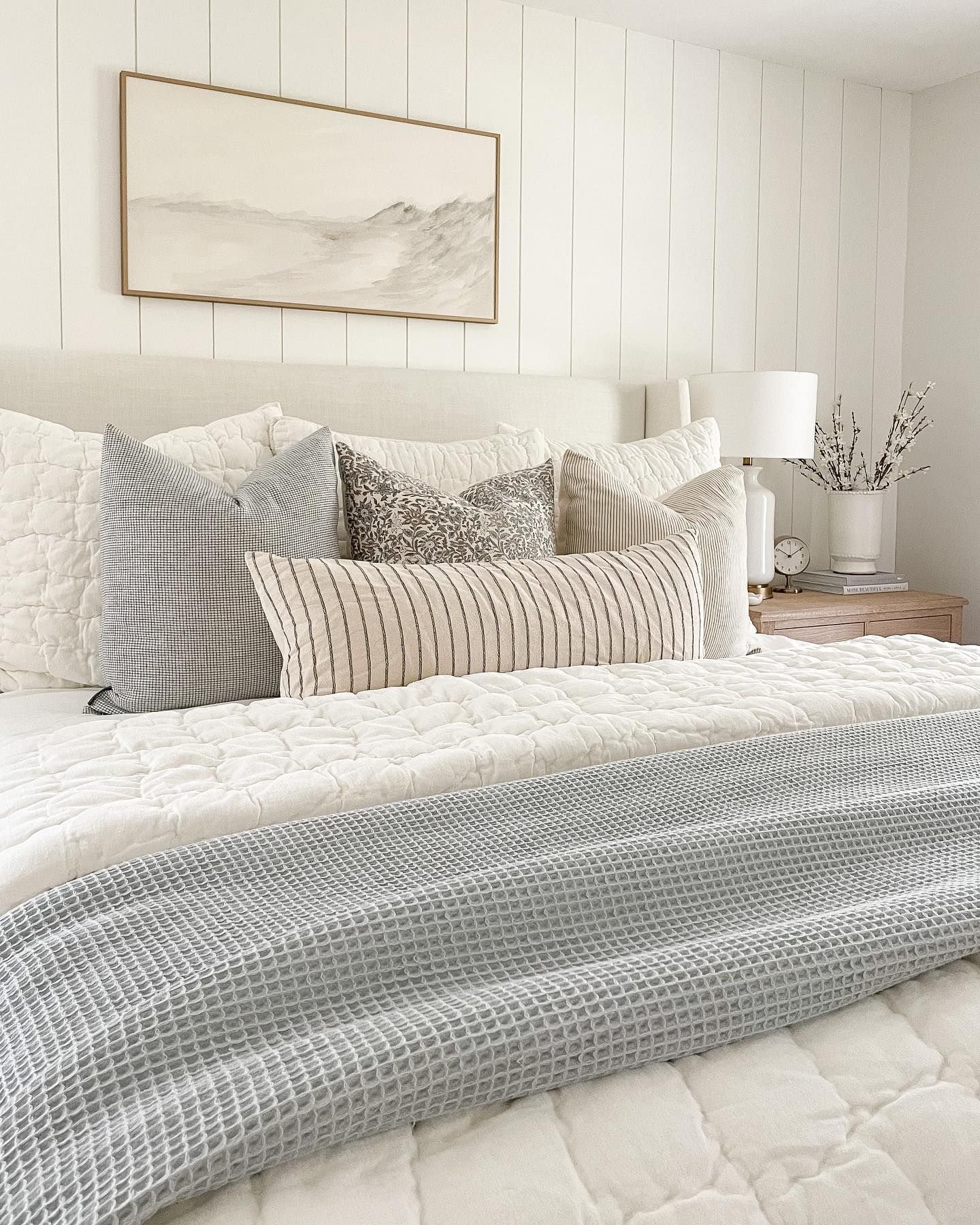
25 Mediterranean Bedroom Ideas for a Warm, Sun-Soaked Coastal Atmosphere
Disclosure : This post may contain affiliate links or paid partnerships. I may earn compensation if you click a link or make a purchase, at no additional cost to you. See my disclosure for more info.
There is a reason the Mediterranean keeps showing up in your searches.
It is not just about aesthetics. It is about a feeling — unhurried, warm, rooted. The feeling that where you sleep is worth the time it takes to be there.
Most bedrooms don’t feel that way. They are functional. Serviceable. Forgettable.
Yours doesn’t have to be.
Here are 25 Mediterranean bedroom ideas to help you build an atmosphere that actually earns that description — warm, specific, and genuine rather than themed.
The Structural Base: Walls, Floors, and Built Form
Before accessories and soft furnishings, the architectural bones of the room have to be right. These decisions set the tone for every layer that comes after.
1. Warm up the walls with plaster-effect or limewash paint
Mediterranean walls are characterized by warmth and texture. Not the flat, cold white of a freshly painted room, but ivory, cream, or warm off-white in a matte finish.
Limewash paint goes further, creating a layered, slightly uneven surface that reads as sun-soaked and aged — instantly. It is more forgiving to apply than people expect and the result is genuinely striking.
2. Ground the floor in terracotta or natural stone
Nothing communicates Mediterranean more directly than terracotta underfoot. Earthy, warm, and instantly recognizable as belonging to a world where the sun shines most of the year.
Peel-and-stick terracotta tiles are a practical solution when floor replacement is not an option. A natural jute or sisal rug over existing flooring adds warmth and natural texture without a single structural change.
3. Install or style an arched headboard
The arch is the signature architectural element of the Mediterranean world. It appears in doorways, garden walls, courtyards, and ceiling structures.
An arched upholstered headboard in natural fabric imports that signature shape into the bedroom in one move — no renovation, no contractor, no permit. For a more permanent version, a sculpted plaster arch or false niche above the bed creates a remarkable focal point.
Color: Earth First, Sea Second
The most common mistake in Mediterranean-inspired decorating is overusing blue.
Blue is part of the palette, but it is not the dominant color. The dominant colors are the ones you find in the land, not the sea.
4. Anchor the palette in warm earthy tones
Sandy beige, warm ivory, soft clay, dried olive — these are the colors that form the base of a genuine Mediterranean bedroom. They make up the majority of the room’s color weight.
Blue is a guest in this palette, not the host.
5. Deploy blue in controlled, meaningful doses
A pair of indigo linen pillowcases. A ceramic blue vase on the bedside. A decorative hand-painted tile on the dresser.
Two or three elements is the rule. Not two or three categories — two or three individual items. The rarity of blue in the room is precisely what makes it feel right when you see it.
6. Use terracotta and rust to warm the palette further
A terracotta plant pot. A rust-colored throw blanket folded casually at the end of the bed. A terracotta-tinted linen cushion.
These tones bring the landscape into the room. They reference sun-baked clay and fired pottery — the material culture of the Mediterranean rather than its postcards.
7. Include the greens of the landscape
The olive tree. The lavender field. The rosemary hedge.
The Mediterranean is as visually green as it is blue, and that green belongs in the bedroom. sage green linen curtains at the windows. A potted plant. Dried herbs in a ceramic vase. They bring the room to life in a way that no purely decorative element can.
Textiles: Natural, Relaxed, Layered
The textiles are what people touch. They are what people feel when they get into bed or wrap a blanket around their shoulders.
In a Mediterranean bedroom, that touch should communicate naturalness, ease, and warmth.
8. Switch to linen bedding as a first priority
If there is a single change on this entire list that delivers the most impact for the effort, it is this one.
Linen is the defining fabric of Mediterranean interiors. It breathes. It softens with use. It looks better slightly rumpled than perfectly pressed. Natural, undyed linen in warm neutral tones creates an atmosphere that cotton simply cannot.
9. Add a casually draped throw
Not folded. Not arranged. Thrown.
A hand-loomed Turkish cotton throw loosely placed at the foot of the bed is one of those details that looks effortless because it is. It adds texture, color, and the critical sense that someone actually lives in this room.
10. Let the curtains move
Heavy, lined drapes are a deliberate choice against Mediterranean atmosphere.
Sheer white linen panels, hung long and wide, allow light to enter and air to stir them. That movement — even from a fan — creates more atmosphere than almost any decorative object.
11. Choose a natural-material rug with character
Jute. Sisal. A flat-woven kilim in dusty, faded tones.
Synthetic, plush, or highly patterned rugs fight against the sensory register of Mediterranean interiors. A vintage-style kilim rug in warm, worn colors grounds the room and adds the kind of pattern that feels found rather than purchased.
Furniture: Honest Materials, Imperfect Matches
Mediterranean furniture tells stories. It shows its material. It often looks as though it has come from different places and different times.
That quality — the gathered, uncoordinated look — is not incidental. It is structural.
12. Choose a solid wood bed frame with honest grain
Oak. Walnut. Reclaimed wood. Mango timber.
The key is that the material should be visibly itself — real wood with visible grain, finished in a way that lets the material show rather than hiding it. A low-profile platform bed frame with clean proportions keeps the material as the focal point.
13. Use rattan for the bedside surface
Rattan is to the Mediterranean bedroom what marble is to the Scandinavian one — a material that immediately locates you in a particular sensibility.
Warm, coastal, and natural, a rattan nightstand or a woven stool used as a nightstand transforms the bedside area in an afternoon.
14. Anchor the foot of the bed with a rustic wooden piece
A worn bench. A vintage stool. A section of weathered timber.
This piece gives the room its sense of accumulated history. It looks like it has lived somewhere before it lived here. That quality is almost impossible to fake and highly rewarding to find.
15. Deliberately mismatch your furniture
This is not a compromise. It is the correct approach.
Two complementary but non-identical nightstands. A dresser from a different era than the bed. Materials that speak to each other rather than repeat each other.
The variety is the authenticity.
Accessories and Art: The Discipline of Less
This is where many well-intentioned rooms go wrong. Too many objects. Too many statements. Too much.
Mediterranean decorating asks for restraint. Not emptiness — restraint. The difference is that every object that remains should be there for a reason.
16. Hang one round organic mirror
A round mirror — round, rattan-framed, or driftwood-edged — adds warmth, reflects light, and gives the wall a clear anchor without demanding visual dominance.
17. Display two or three pieces of handmade ceramic
A thrown vase. A small pottery bowl. A candle holder with uneven glaze.
Handmade objects carry something manufactured ones do not: the trace of a human being. That trace is what makes a room feel inhabited rather than installed.
18. Keep the gallery wall to two or three pieces, maximum
A botanical print. A faded coastal image. A simple abstract.
Framed simply. Spaced generously. Three pieces with breathing room beat ten pieces in a grid every time in this context.
19. Use botanicals to bring the region inside
Dried lavender. Rosemary on the windowsill. Olive branches in a tall vase.
These are not just decorative. They are olfactory — they change how the room smells. And they root the room in something living and real rather than static and arranged.
20. Introduce wrought iron or aged brass sparingly
A wrought iron curtain rod. Brass drawer pulls on a drawer front. An antique brass table lamp on the nightstand.
One or two metallic details. No more. They add old-world warmth and craft — references to a long tradition of making things by hand.
Lighting: Engineering the Mood
In a Mediterranean bedroom, lighting is not functional. It is experiential.
The goal is not to see better. The goal is to feel differently.
21. Retire the overhead light in the evenings
Switch it off. Replace it with two warm bedside lamps and a wall sconce placed at head height on the wall.
Look for lamps with ceramic bases, linen shades, or rattan details. The material of the fixture is part of the design. The quality of light it produces — warm, soft, directional — is what transforms the atmosphere of the room after dark.
22. Light candles as a daily practice
A chunky pillar candle in a terracotta dish. A beeswax taper in a brass holder.
The argument for candles is not decorative. It is experiential. Candlelight triggers a physiological response — it slows the heart rate, cues the body toward sleep, and creates an atmosphere that no bulb at any color temperature can match. Build it into the routine.
23. Maximize daylight as a design material
Every morning, open the curtains fully. If privacy is required, sheers accomplish this without sacrificing the light that animates the room’s warm palette.
A Mediterranean bedroom lives in the light. Seal it off and the room is diminished regardless of what else is in it.
The Finishing Touches That Make the Room Complete
Two final details. Small in execution, large in effect.
24. Create a deliberate scent environment
A diffuser with lavender and citrus. A linen spray misted over the pillows. A small dish of dried herbs or orange peel on the dresser.
Scent is the invisible layer of a room’s design — and arguably the most powerful one. The Mediterranean smells specific and beautiful. A few targeted decisions can bring that smell into any bedroom.
25. Reduce the nightstand to its essentials
Lamp. Book. Small ceramic object. Water glass.
Nothing else earns a place there.
Mediterranean style is rooted in the idea that simplicity creates space for beauty to be visible. A crowded nightstand undoes this completely. A stripped-back one allows the room to breathe.
Start Somewhere. The Room Will Show You the Rest.
These 25 ideas add up to a complete transformation if you apply them all. But that is not how transformation actually works.
It works through beginnings. Through three specific choices made well and followed through.
The linen bedding. The warm lamps. The kilim rug. Or the limewashed walls, the rattan nightstand, and the dried lavender. Whatever combination resonates with you now — start there.
The room will build on those three decisions. And at some point, you will notice that the bedroom you have been imagining has become the bedroom you actually have.
That moment is available to you. It starts with one.
🔍 Focus Keyphrase: Mediterranean bedroom ideas
📌 SEO Title (< 60 chars): 25 Mediterranean Bedroom Ideas for a Coastal Escape
🔗 Slug (< 60 chars): mediterranean-bedroom-ideas
📝 Meta Description (< 155 chars): Discover 25 stunning Mediterranean bedroom ideas to create a warm, coastal retreat. Start transforming your space today with these actionable tips.