
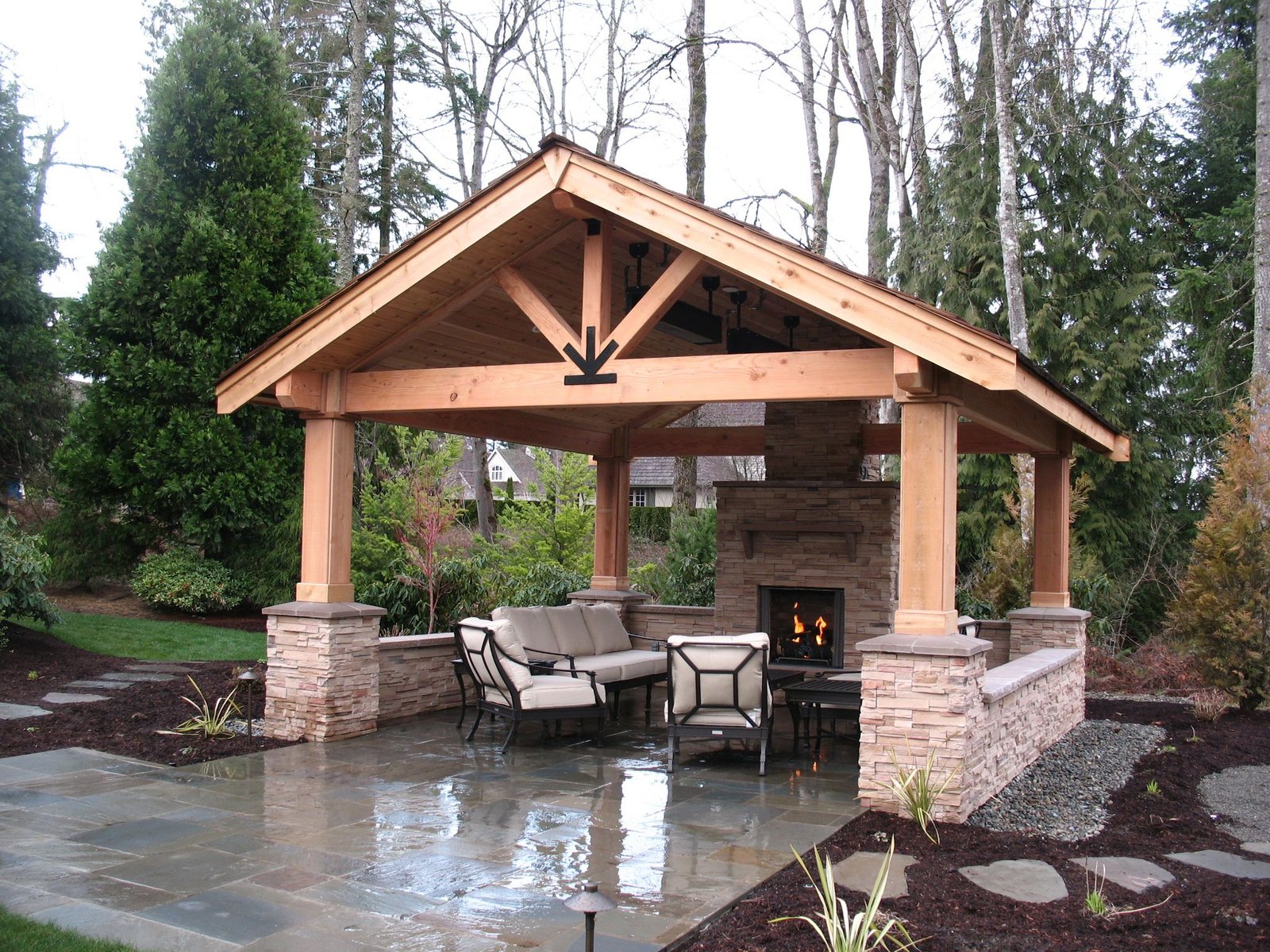
10 Proven Gazebo Tips for Turning Your Garden Into a Personal Outdoor Oasis
Disclosure : This post may contain affiliate links or paid partnerships. I may earn compensation if you click a link or make a purchase, at no additional cost to you. See my disclosure for more info.
Be honest with yourself for a second.
Your backyard — when did you last actually use it? Not to mow. Not to take out the bins. But to sit, breathe, and genuinely enjoy being out there?
If it’s been a while, you’re in good company.
Most outdoor spaces fail at the basic task of drawing people in. They’re pleasant to glance at through the kitchen window and largely ignored every other time.
You’ve seen what’s possible, though. Backyards with string lights strung between posts. A gazebo surrounded by greenery. Seating that looks like it actually wants to be sat in.
You wonder how far away that is from where you are.
Closer than you think. A thoughtfully chosen and set-up gazebo is the most direct route between the backyard you have and the one you actually want. These ten tips are how you get there.
Understanding Why Backyards Fail (And the Structural Fix a Gazebo Provides)
The rooms in your home work because they’re complete environments. Every object in them communicates a role: seating for resting, a table for gathering, lighting for atmosphere.
A yard with nothing in it communicates nothing. Your brain hits the back door, takes in the undefined space, and sends you right back inside.
Introducing a gazebo begins to solve this. It defines a boundary. It suggests enclosure. It creates a point of orientation — a destination rather than just a direction.
But here’s what most people miss: an empty gazebo on a bare lawn doesn’t complete the transformation. It’s a skeleton without flesh.
The ten steps that follow are how you turn that skeleton into a living space.
1. Select a Gazebo That Matches Your Yard’s Real Dimensions
Mismatched scale is the most common gazebo mistake and it ruins an otherwise good project before it starts.
Oversized structure plus undersized yard equals a garden that feels smaller and more oppressive than before you started. Worse than the blank lawn you began with.
Measure your space. Account for everything else you want in the yard — garden beds, play area, movement paths. Then choose accordingly.
Limited space: a slim 8-foot canopy or open metal pergola frame. It marks the space without conquering it.
Average yard: a 10-to-12-foot hardtop gazebo offers the ideal ratio of coverage to openness. Room enough for real living.
Larger property: consider zoning. A bigger pavilion that anchors one area, with secondary destinations — a hammock, a fire pit corner — beyond it.
Style coherence matters just as much as size. A gazebo that matches your home’s architecture looks intentional and considered. One that clashes just adds visual noise.
2. Study Your Yard Before Choosing a Location
Placement picked in a hurry is placement you’ll question for years.
The center of the lawn is nobody’s best option. It’s usually the most exposed, most sun-drenched, and most trek-to spot in the whole yard.
Before you commit to anything, genuinely spend time outside. At different hours. In different kinds of weather. Learn your yard rather than assume you already know it.
The three placement questions that actually matter:
Where does shade naturally occur in late afternoon? That’s where you’ll want to be during the hottest months. Put your gazebo there.
What’s the distance from the kitchen door? Every extra step reduces frequency of use. Make it feel like a natural extension of your indoor living, not a separate expedition.
What does the seated view look like? Look at your garden as if someone else is painting it. Put the best view in front of you. Put the less picturesque bits behind.
Placement done right is the highest-leverage decision in this whole project. Everything else depends on it.
3. Build a Proper Floor — Grass Won’t Hold Up
One wet week and a grass floor becomes a mud bowl. Chair legs sink. Cushions collect damp. The space goes from inviting to miserable in one rainstorm.
A real floor solves the problem entirely and elevates the whole space aesthetically at the same time.
Pea gravel: easiest and cheapest. Weed-blocking fabric underneath, two to three inches of gravel on top. Self-draining, weed-free, and the crunching sound underfoot is oddly satisfying.
Stone or concrete pavers: more involved but the payoff in permanence and appearance is significant. Lay them well once and they require almost nothing for decades.
Composite decking: the high-end choice. Warm, smooth, completely maintenance-free compared to real timber. Worth the upfront cost if longevity matters to you.
No matter which path you choose, do one thing first: level the ground. An uneven base is the enemy of stable furniture and proper drainage. Don’t skip this.
4. Use Three Distinct Lighting Layers to Create Atmosphere
Lighting is where most outdoor spaces either earn their atmosphere or fail to achieve it.
One light source, however pleasant, creates flat, one-dimensional illumination. Three layers create depth, warmth, and the kind of glow that makes evenings outside feel special rather than just functional.
Layer one. String lights across the ceiling of the gazebo. Warm white, always — they replicate the quality of golden-hour light and make everything look better.
Layer two. A table lantern or battery lamp. Focused enough for practical use after dark without defeating the mood of the overhead lights.
Layer three. Ground-level lights around the perimeter or low LED strips along the base. This makes the structure glow from the ground up and reads as a focal point from every part of the garden.
All solar-powered. All automatic. Charged by day, luminous by night. No wiring, no electricians, no ongoing cost.
5. Create Shelter and Privacy Without Closing Everything Off
True relaxation requires the absence of surveillance.
When you can be seen easily — by a neighbor, by passersby — some part of your attention stays directed outward. You can’t fully switch off. And you spend the whole time feeling mildly on display.
Address this and you unlock the space completely.
Outdoor curtain panels hung on the posts of your gazebo are fast and flexible. Drawn for privacy when you want it; tied back for openness and breeze when you don’t. Few changes are faster or more dramatic for the cost.
A vertical trellis planted with clematis, jasmine, or wisteria becomes a gorgeous living wall — fragrant, visually beautiful, and improving season on season.
Tall planters with bamboo or statement ornamental grasses create flexible, repositionable screening wherever you need it most.
One or two open sides. The rest sheltered. That balance is where the good stuff lives.
6. Furnish Your Gazebo to Be Lived In, Not Just Looked At
The bare minimum — a plastic chair and a folding table — is technically furniture. But it’s not an invitation to stay.
Your outdoor space should have the same basic quality as your indoor space: things that are comfortable, arranged thoughtfully, and pleasant to interact with.
Start with seating worth sitting in. Deep, cushioned outdoor lounge chairs or a full outdoor loveseat with thick upholstered cushions. The standard: you could sit in it for two hours without feeling the urge to get up.
Add a table. Any size works. A surface to set things on is fundamental to comfort outdoors just as it is indoors.
Then add texture: outdoor throw pillows in colors that make you happy, a lightweight blanket for cooler evenings, an outdoor rug to ground the whole composition.
These items are not expensive. The difference they make is enormous.
7. Integrate Plants to Make the Gazebo Feel Like Part of the Garden
Hard structure alone — metal, wood, post and beam — looks institutional without plants softening it.
Greenery is the element that blurs the boundary between built environment and natural landscape. It makes a gazebo look like it belongs where it is, rather than like it arrived last weekend on a pallet.
Ground level: low ornamentals, creeping herbs, or flowering groundcover spilling gently around the base. Lavender works almost everywhere — the fragrance alone is reason enough.
Mid-height: shrubs or ornamental grasses along the perimeter that frame the structure and visually root it to the garden.
Overhead and inside: trailing ivy or ferns in hanging baskets from the rafters; standing pots inside the structure; a tabletop herb planter for use when cooking or making drinks.
Build the plant layers from short to tall. Depth creates lushness. Lushness creates the feeling of an oasis rather than an installation.
8. Create a Multi-Sensory Space, Not Just a Visual One
You can design a stunning outdoor space that still doesn’t feel like the retreat you hoped for — because you only designed for the camera.
Real oases engage all the senses, not just sight.
Sound: a small solar water feature nearby provides continuous gentle sound that creates a natural buffer between you and ambient noise. The nervous system responds to it in minutes.
Low, resonant wind chimes add rhythm and movement to the soundscape without becoming intrusive.
Smell: plant rosemary, mint, or lavender within reach of the seating. Every shift in the breeze becomes aromatherapy. Keep a citronella candle on the table for scent, soft light, and a natural deterrent to mosquitoes.
Touch: choose a mix of materials throughout. Cool stone, rough rattan, smooth wood, soft upholstery. The variety of textures you feel in a space registers as richness and quality.
When all the senses are considered, the gazebo becomes an experience rather than a structure.
9. Stay Ahead of the Weather or It Will Undo Your Work
Outdoor spaces degrade faster than indoor ones. That’s simply the nature of exposure to sun, rain, wind, and temperature cycles.
The difference between a space that ages gracefully and one that falls apart isn’t luck. It’s a bit of prevention applied consistently.
Cushions: water-resistant covers are non-negotiable. When heavy rain is forecast, move cushions into a waterproof deck box. A two-minute task that prevents mold and extends the life of your investment by years.
Wood: seal it. Every one to two seasons. Sealant or exterior stain keeps moisture out and prevents the cracking and rot that otherwise arrive quietly and worsen quickly.
Metal: inspect every spring. Rust spots caught early need a small can of spray paint. Left alone, they spread into a serious structural issue.
Fabric panels: bring them inside before winter and ahead of serious storms. Store them folded and dry. They’ll be in excellent shape when you need them next season.
The investment of a little time twice a year protects everything else.
10. Anchor the Structure Correctly From the Start
The safety step. The one you cannot rationalize skipping.
A canopy-style gazebo in a moderate-to-strong wind event without proper anchoring does not stay where you put it. It becomes a large, mobile hazard. And the damage it causes — to fences, cars, neighbors’ properties, occasionally windows — is real.
This happens regularly. It is entirely preventable.
Pop-up and soft-top gazebos: proper steel ground anchors on every leg, weighted sandbags in addition to the stakes, and guy ropes in areas prone to strong gusts. The hardware that came in the box is not adequate for real wind conditions.
Hardtop and permanent gazebos: concrete footings, a poured slab, or direct bolting to an existing deck. Every leg. No exceptions.
Do it properly at installation. You will never need to think about it again.
And that — the freedom from worry — is part of what an oasis actually gives you.
Everything You Need Is Already Within Reach
There’s nothing in this guide that requires professional help or an unreasonable budget.
What it requires is deciding to start.
Don’t tackle all ten at once. Pick the single most impactful thing for your specific situation right now. Do that. See how it changes the feel of the space. Let that momentum carry you to the next one.
Hang the string lights. Roll out the outdoor rug. Plant the lavender. Move the chair into the shade.
Small steps compound into something genuinely wonderful.
The backyard you’ve been thinking about isn’t that far away.
Go get started.
🔍 Yoast SEO Checklist
🔍 Focus Keyphrase: gazebo garden oasis
📌 SEO Title (< 60 chars): How to Create a Cozy Garden Oasis with Gazebo Tips
🔗 Slug (< 60 chars): cozy-garden-oasis-gazebo-tips
📝 Meta Description (< 155 chars): Transform your backyard into a cozy garden oasis with these expert gazebo tips on placement, lighting, privacy, and more. Start building your retreat today!